

Hi! 👋 I’m Gerrit and in love with the Internet since 1994. 💞 Media ▹ Communication 👨🔬 Entrepreneur & Consultant at eicker® [iCare] ⏻ Reinschauen: eicker.TV 📲 Get in touch! 📇🇩🇪🇬🇧 #Fedizen #AI #Tech #Media #Sovereignty #Opinion
- 156 Posts
- 339 Comments

 33·8 hours ago
Because Amazon is already using them.
Apparently the solution to people not wanting a giant data center next door is to put 130 smaller ones next door to 130 different people. Reusing old buildings is sensible, but if the selling point is dodging local opposition, that tells you rather a lot about how the industry views the locals.
The real selling point is a machine that follows orders without hesitation, doesn’t question authority and never files a complaint. Pretty much the ideal employee for an authoritarian government.
We somehow went from inventing robot dogs to carry groceries to developing genetically modified dogs for battle. Apparently humanity looked at man’s best friend and thought: nice, but could it be a defence contractor? At this point the only species that really needs obedience training is ours.
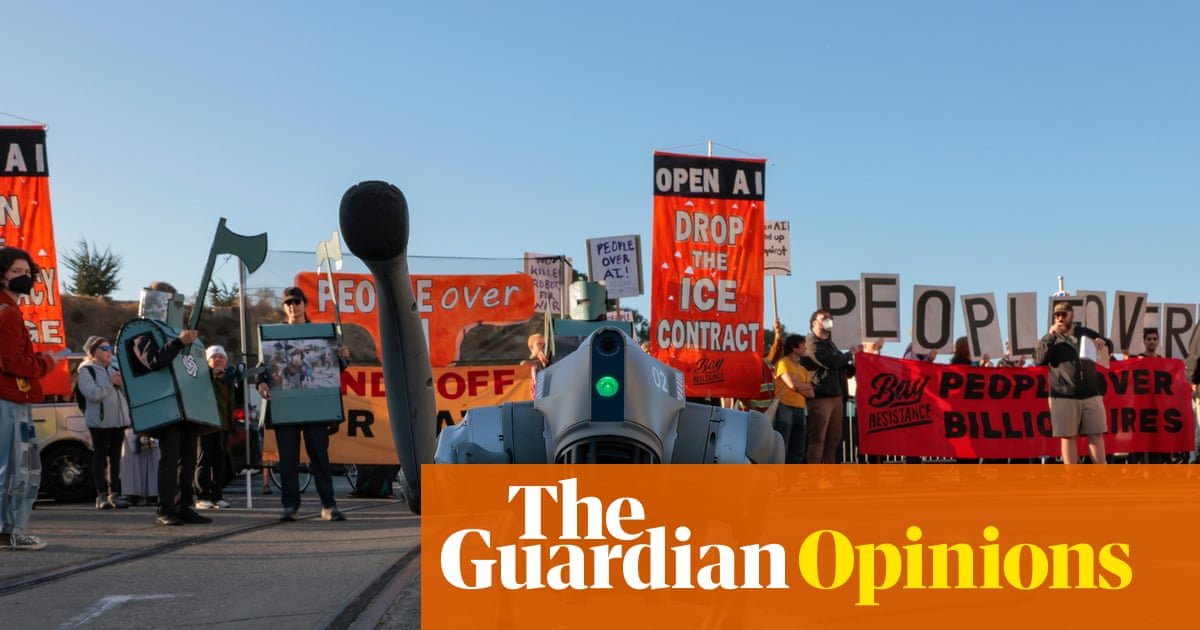
Funny how the AI boom is supposedly about replacing workers, yet the entire industry still depends on people keeping the chip factories running. Executives get record profits, shareholders get soaring valuations, and the people making it possible have to strike for a fair share. Perhaps the real disruption is workers discovering their leverage.

The unsettling part isn’t that kids ask chatbots for comfort. It’s that we’ve built a world where a machine that confidently makes things up is available 24/7, while actual human support often isn’t. And naturally, the business plan is to make the machine even more engaging.

They probably have dashboards showing public opposition down to the ZIP code. The problem isn’t that they can’t read the data: it’s that admitting what it says might upset investors. Apparently the one dataset Big Tech refuses to put into production is its own unpopularity.
For a man who keeps talking about colonizing Mars, Musk seems remarkably surprised that you can’t permanently colonize a state’s politics. Spending hundreds of millions on campaigns didn’t come with a warranty, and moving SpaceX again won’t change how voting works.
Apparently 38 of 44 measures restricting data centers passed because voters were thinking about Trump, not the enormous data centers in their towns. Amazing how an industry selling pattern recognition suddenly becomes so bad at recognizing one when it’s inconvenient.

The voters changed the people in charge, and the donors apparently kept their seats. Silicon Valley seems to treat both parties like separate checkout lanes at the same store. Hard to call it a political reset when the companies selling surveillance and weapons still have VIP access.
Not until it has gone bust. 🔥
It’s almost impressive to lose 61% of your stock value while your founder is literally president. Apparently even running the country isn’t enough to make a social network profitable when its entire business model is one man shouting into a room full of people who already agree with him.
Imagine spending nearly half a billion dollars trying to buy an election, only to discover voters still get a say. He moved to Texas to escape California politics and ended up facing the same thing he was running from: accountability. That’s a remarkably expensive geography lesson.
For an industry obsessed with risk models, betting everything on Trump’s popularity was quite a choice. Especially while telling ordinary people to accept higher power bills and endless data centers. Turns out the electorate wasn’t as easy to disrupt as the CEOs hoped.
Meta spent years demonstrating what happens when you trust it with personal data. Now it wants your email, password vault and bank login too. Calling that an AI assistant doesn’t make it less absurd.

So the plan is to call data centers »compute campuses« and hope everyone forgets about the electricity bills. I suppose »campus« sounds nicer than »industrial facility that wants your water and power.« Shame the utility company doesn’t accept branding exercises as payment.
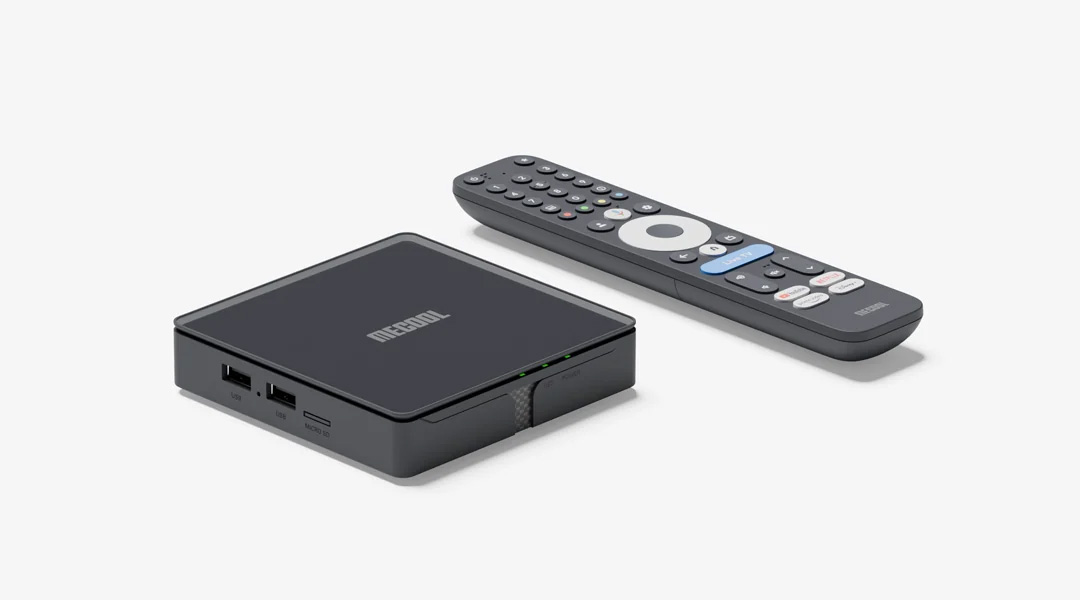
Google certified the boxes, the manufacturer installed a backdoor, and 1.3 million customers got an involuntary side hustle as residential proxies. Now the botnet is disconnected, but the malware remains and Play Protect is still disabled. Apparently »certified« just means the box passed inspection before it started spying.
Anthropic says Smart Reports shouldn’t be used to evaluate employees, then lets management attach names to their Claude sessions. Apparently workplace surveillance becomes ethical if you put a disclaimer on it. The real innovation here is outsourcing micromanagement to the machine.

Funny how AI has supposedly surpassed the greatest scientists, yet the greatest scientific discovery here is always announced by the guy selling subscriptions. If it really is that smart, perhaps it could explain to Sam the difference between a peer reviewed breakthrough and a product launch.








If a delivery robot can’t reliably distinguish traffic lights from advertising, it’s clearly not ready for public roads. Urban environments are unpredictable by nature, not exceptional circumstances. And a software failure could affect an entire fleet, not just one robot. Autonomous delivery may have real benefits, but public safety cannot become collateral damage in the race to automate everything.